Football's Wellness Crisis: Are Players Being Pushed Too Hard in the Modern Game?

The Injury Crisis
The 2025-26 football season has produced a record number of significant muscle injuries among Premier League and Champions League players, with the total number of games missed through hamstring, quadricep, and calf injuries reaching an all-time high of 4,847 across the two competitions - an increase of 23 percent on the previous season's record. The pattern is not isolated to England or Europe; injury data from La Liga, the Bundesliga, and Serie A tells a similarly alarming story. Leading physiotherapists and sports scientists have been warning for years that the increasing volume of competitive matches, combined with the reduced recovery time available to elite players, was creating conditions that made significant muscle injuries almost inevitable. The 2025-26 data suggests that those warnings are being ignored.

The increasing volume of matches is taking an enormous physical toll on players
The numbers behind the injury crisis are stark. A typical Premier League player who also participates in the Champions League and the international calendar will play between 60 and 70 competitive matches per season - up from approximately 45 in the mid-2000s. During the busiest periods of the calendar, some players are completing matches with as little as 48 hours of recovery time between fixtures. Sports scientists have consistently found that the risk of soft tissue injury is significantly elevated when players compete more frequently than once every four days, a threshold that is routinely breached during the Christmas period, the January cup ties, and the late-season run-in.
The Scheduling Problem
The root cause of the injury crisis is the proliferation of competitions and the scheduling demands they create. The expansion of the Champions League from 32 to 36 teams in 2024, which added a minimum of two and a maximum of four additional matches for the participating clubs, has been the most significant single factor in the increase in playing volume. Combined with the expanded Club World Cup, which will require the top European clubs to participate in an 8-team group stage followed by a knockout phase, and the continuing growth of the domestic cup competitions, the total number of matches available to elite players has increased by an average of 12 percent per season over the past five years.
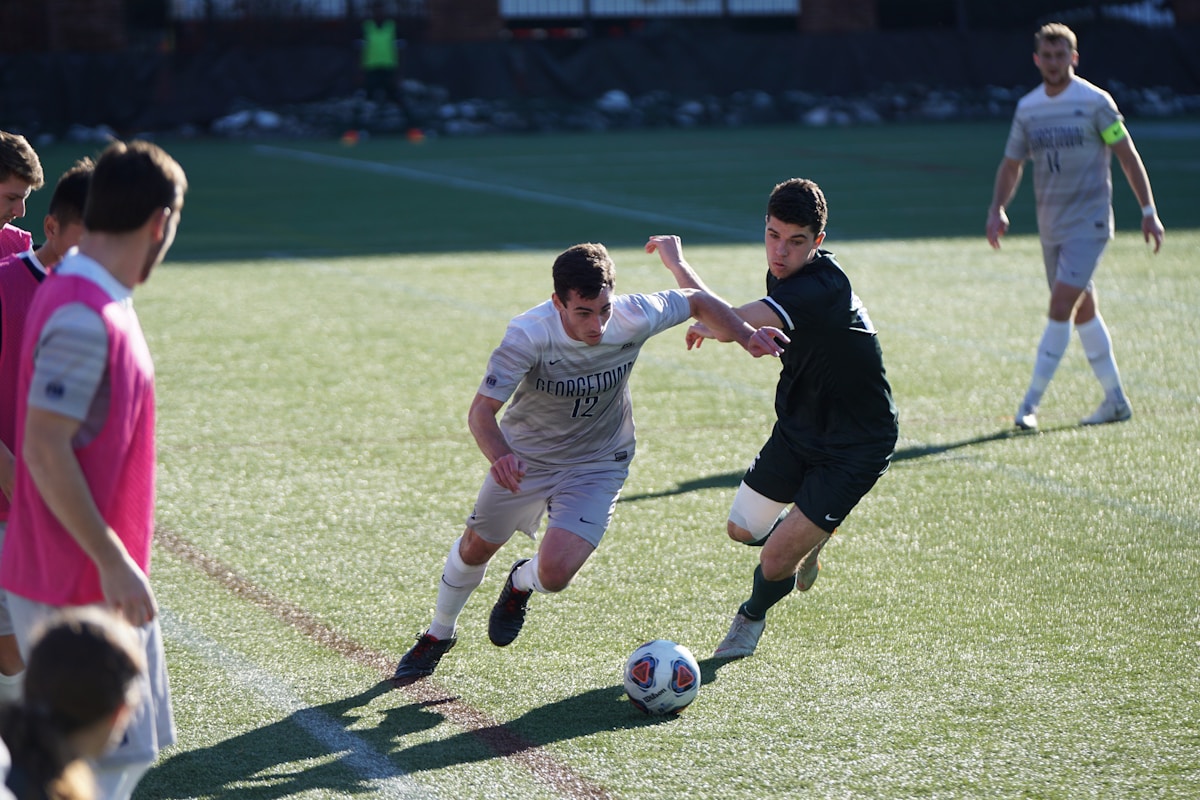
The expansion of the Champions League has added significantly to players
The commercial drivers of this expansion are transparent. UEFA's revenues from the expanded Champions League are projected to exceed €4 billion in the first season of the new format - an increase of approximately 30 percent from the previous edition. The Club World Cup, which FIFA has positioned as the successor to the historic tournament, is expected to generate revenues of more than $2 billion per edition. These are enormous sums, and the pressure on governing bodies to maximise them is entirely understandable from a commercial perspective. But the cost is being borne by the players, whose physical health and long-term wellbeing are being treated as an acceptable sacrifice on the altar of commercial growth.
What the Players Say
The players themselves have become increasingly vocal about the unsustainability of their schedules. Kevin De Bruyne, who has suffered three significant hamstring injuries in the past two seasons, spoke with unusual directness in an interview with the Belgian press last month. "I love football," he said. "But I am also a human being, and my body has limits. The schedule is too much. We are being asked to do things that are physically impossible to sustain, and then we are blamed when we get injured. Something needs to change." De Bruyne's comments were echoed by a group of over 40 players who signed an open letter to UEFA and the Premier League calling for a maximum of 55 competitive matches per season per player.

Players are increasingly speaking out about the unsustainability of modern schedules
Governing bodies have responded to the criticism with a mixture of sympathy and defensiveness. UEFA's president Aleksander Čeferin acknowledged in a recent press conference that injury rates were "a serious concern" and pledged to work with the clubs and the players' union to address the issue. The Premier League, meanwhile, has commissioned an independent review of fixture scheduling, with the results expected in the summer. Sceptics - and there are many - argue that these responses are primarily cosmetic, and that genuine reform would require governing bodies to sacrifice commercial revenues that they have no intention of foregoing.
The Path Forward
A genuine solution to football's wellness crisis requires both structural reform and cultural change. The structural reform - a reduction in the number of competitive matches per season, mandatory minimum recovery periods between fixtures, a limit on the number of appearances per player - requires governing bodies to make decisions that are financially painful but morally necessary. The cultural change - a shift away from the treatment of players primarily as commercial assets toward a recognition of their humanity and their right to a career that does not end prematurely through preventable injury - is, in some ways, even more challenging. But both are necessary, and the time for half-measures has passed.

Genuine reform requires both structural change and a shift in cultural attitudes
We need to choose. Are players assets to be monetised, or are they human beings whose health matters? Right now, football is making the wrong choice. - FIFPRO Secretary General
Conclusion
Football's wellness crisis is a choice, not an inevitability. The injury data is clear, the player voices are growing louder, and the medical evidence is overwhelming. The question is whether governing bodies, clubs, and broadcasters have the will to prioritise the long-term health of the game's most essential participants over the short-term maximisation of commercial revenues. The answer to that question will determine whether future generations of players are able to enjoy long, healthy careers - or whether the pursuit of growth destroys the product that makes the growth possible in the first place.
Related Stories
 Opinion
VAR Is Killing the Beautiful Game - It's Time to Rethink the Technology
The introduction of Video Assistant Referee technology was supposed to eliminate the game's most glaring injustices. Three years on, the evidence suggests it has created as many problems as it has solved, and the sport is paying a heavy price…
 Opinion
The Saudi Pro League Gamble: Is Football's Biggest Transfer Experiment Working?
When Saudi Arabia's Public Investment Fund began its systematic acquisition of elite footballers in the summer of 2023, the European football establishment responded with a mixture of condescension and alarm. Three seasons on, it is time for an honest appraisal…
 Opinion
Why the Premier League's Financial Dominance Is Bad for European Football
The Premier League's financial supremacy is now so entrenched that it is fundamentally distorting the competitive balance of European football - and the consequences are worse than most people are willing to admit…
OpinionVAR Controversies: The Debate That Will Not Go Away
Video Assistant Referee (VAR) has been one of the most divisive innovations in the history of football, and the 2024-25 season has seen the debate reach new heights. The…