Has the Ballon d'Or Lost Its Meaning in the Modern Game?

The Award Under Scrutiny
For more than six decades, the Ballon d'Or has been football's most prestigious individual award - the ultimate measure of footballing excellence in a given year. Created by France Football magazine in 1956, the award has been won by the greatest players in the history of the sport: di Stéfano, Cruyff, Platini, Ronaldo, Zidane, and - in the modern era - Messi and Ronaldo, who between them won the award fifteen times in seventeen years. Yet a series of controversial voting decisions in recent editions, allied to structural changes in the award's criteria and format, has prompted a genuine debate about whether the Ballon d'Or still serves the purpose for which it was created, or whether it has become a popularity contest dressed up in the language of sporting merit.
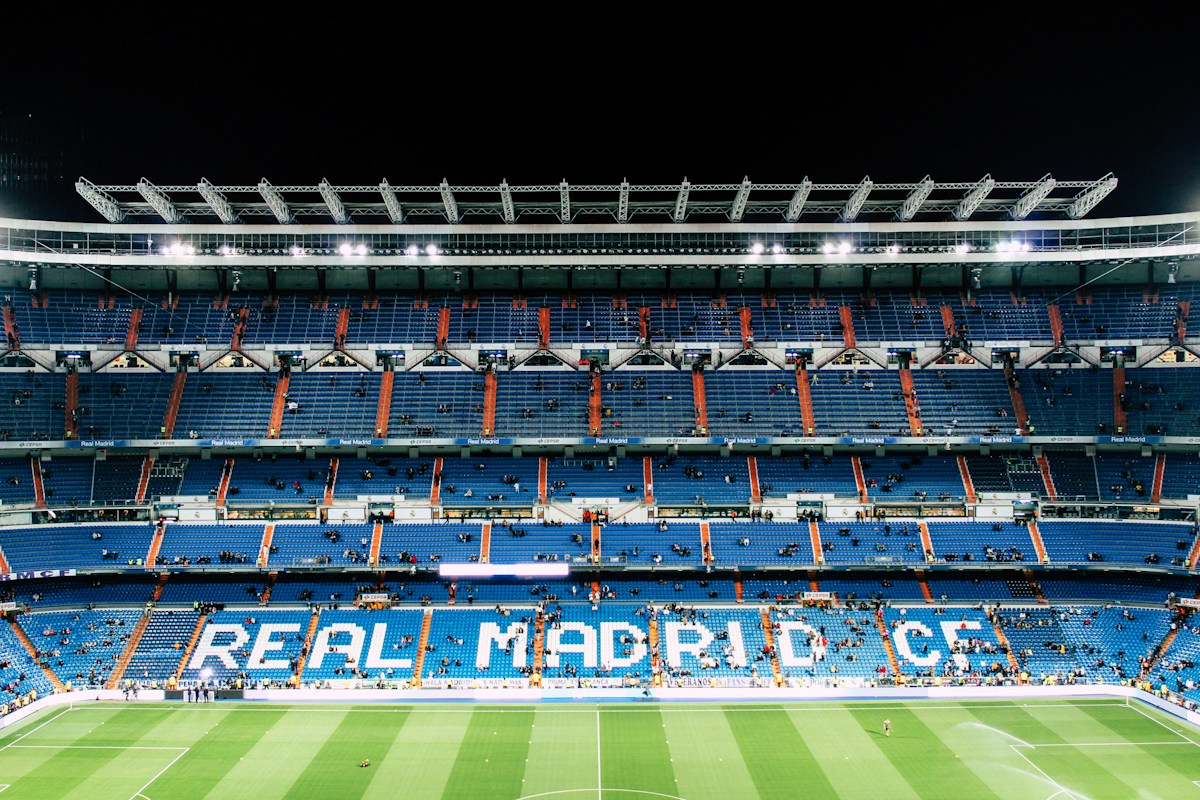
The Ballon d
The controversy began in earnest in 2022, when Real Madrid's Karim Benzema won the award on the basis of a season that was undeniably excellent - 44 goals in all competitions, a Champions League winner's medal - but which many felt fell short of the standard set by the award's previous winners at their peak. The decision to expand the voting panel from 173 to 230 journalists and to weight collective achievements more heavily than individual statistics appeared to favour Benzema over Manchester City's Kevin De Bruyne, who had been statistically the most creative midfielder in European football for three consecutive seasons but whose team had failed to win the Champions League. The methodological change, while defensible in isolation, felt inconsistent with the award's historical application.
The Team vs Individual Tension
The 2023 edition exacerbated the problem by awarding the prize to Erling Haaland on the basis of his extraordinary goal tally - 52 in all competitions in his debut season at Manchester City - while acknowledging in the accompanying editorial that his performances were at least partly a product of the system in which he operated rather than purely individual excellence. This is a genuine philosophical question about the nature of individual excellence in a team sport, and it does not have an obvious answer. But the award's handling of it - awarding the prize on the basis of goals while simultaneously qualifying the significance of those goals - reflected a conceptual confusion at the heart of the selection process.
The tension between individual brilliance and team success remains unresolved in the voting criteria
The case for a reformed award is strong. The current format - voting by a panel of journalists who may have very different criteria for what constitutes the best player, covering a 12-month period that often encompasses two different club seasons, and awarding equal weight to the group stage of the Champions League and the final - seems poorly designed to identify the year's most outstanding individual performer with any precision. An alternative model, perhaps modelled on the NBA's Most Valuable Player award, which combines journalist voting with player voting and is assessed against a clear set of performance-based criteria, might produce more consistent and credible outcomes.
The Marketing Dimension
There is also a marketing dimension to the Ballon d'Or that has become impossible to ignore. The award ceremony, which takes place annually at the Théâtre du Châtelet in Paris, has evolved into a major commercial event featuring elaborate staging, celebrity guests, and live performances - a spectacle that seems designed primarily to generate social media content rather than to solemnly honour football's greatest player. France Football's partnership with several major commercial brands has raised questions about the extent to which commercial considerations influence the award's administration, and whether the voting process is as independent as the award's prestige demands.

The award ceremony has evolved into a major commercial spectacle
None of this is to argue that the Ballon d'Or should be abolished. The award has genuine historical significance, and its ability to capture the football world's attention remains unmatched by any other individual honour. But that significance is not guaranteed; it depends on the award's continued ability to serve as a credible measure of individual excellence. If the voting process produces results that the majority of football's most knowledgeable observers find unconvincing, that credibility will erode, and the award will become merely a marketing exercise rather than a genuine statement of footballing merit.
The Verdict
Has the Ballon d'Or lost its meaning? Not yet - but it is in danger of doing so. The award remains capable of identifying the world's best player in seasons where the choice is unambiguous. It is in the more contested seasons - when the best player is a matter of genuine debate, when the criteria pull in different directions, when commercial and political pressures bear on the voting panel - that it falls short. Reform is possible, and it is necessary. The question is whether France Football has the will to pursue it.

The Ballon d
I have great respect for the Ballon d'Or. But the award is only as meaningful as the process that produces it. There is room for improvement. - Pep Guardiola
Conclusion
The Ballon d'Or retains its prestige and its power to capture the football world's imagination. But that power rests on a foundation of credibility that is under strain. A reformed voting process, clearer criteria, and a greater separation between the award's commercial operations and its editorial independence would go a long way to restoring the uncomplicated admiration that the award commanded in its greatest years.
Related Stories
 Opinion
VAR Is Killing the Beautiful Game - It's Time to Rethink the Technology
The introduction of Video Assistant Referee technology was supposed to eliminate the game's most glaring injustices. Three years on, the evidence suggests it has created as many problems as it has solved, and the sport is paying a heavy price…
 Opinion
The Saudi Pro League Gamble: Is Football's Biggest Transfer Experiment Working?
When Saudi Arabia's Public Investment Fund began its systematic acquisition of elite footballers in the summer of 2023, the European football establishment responded with a mixture of condescension and alarm. Three seasons on, it is time for an honest appraisal…
 Opinion
Why the Premier League's Financial Dominance Is Bad for European Football
The Premier League's financial supremacy is now so entrenched that it is fundamentally distorting the competitive balance of European football - and the consequences are worse than most people are willing to admit…
OpinionVAR Controversies: The Debate That Will Not Go Away
Video Assistant Referee (VAR) has been one of the most divisive innovations in the history of football, and the 2024-25 season has seen the debate reach new heights. The…